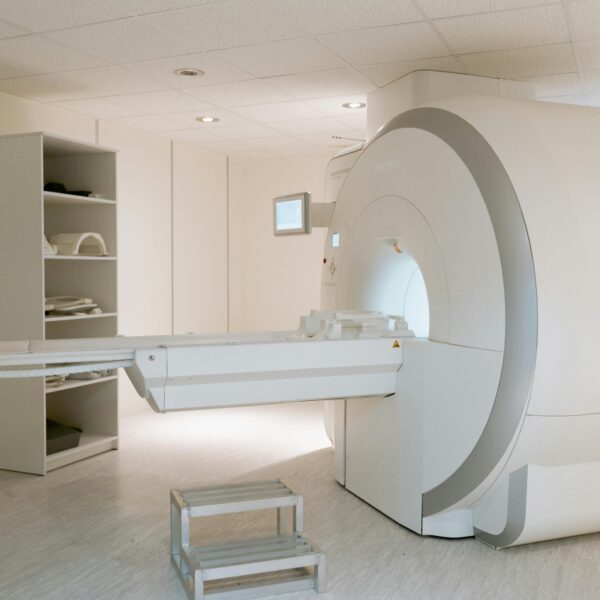

Healthcare hiring is competitive, but Radiologic Technologist / X-Ray Technologist (Radiology Tech) jobs remain one of the strongest career paths in allied health. Imaging teams are essential to almost every medical setting—hospitals, outpatient imaging centers, orthopedic offices, urgent cares, trauma centers, and surgical facilities all rely on skilled radiology techs to provide accurate diagnostic images and ensure a high standard of patient care.
If you’re actively searching for a new position or exploring a career upgrade in 2026, this guide breaks down pay expectations, key requirements, and proven ways to get hired faster.
What a Radiologic Technologist Does
Radiologic Technologists, often called X-Ray Technologists or Radiology Techs, use imaging equipment to produce diagnostic images that support physicians in making medical decisions. While many roles focus primarily on X-ray imaging, some techs cross-train into advanced modalities such as CT, MRI, mammography, or interventional radiology.
Common job responsibilities include:
- Positioning patients correctly for accurate imaging
- Operating radiographic equipment safely and efficiently
- Following physician orders and imaging protocols
- Maintaining radiation safety standards for patients and staff
- Documenting procedures and image results
- Collaborating with radiologists, nurses, and physicians
Radiologic Technologist Pay in 2026
Radiology tech compensation varies by state, facility type, shift, and experience level. In general, higher pay is found in:
- Larger hospital systems
- High-acuity settings (ER/trauma, surgery, ICU)
- Night shifts and weekend shifts
- Facilities with staffing shortages
- Specialized imaging departments
What Impacts Your Pay the Most
Your income typically increases with:
- ARRT certification and continuing education
- Years of clinical experience
- Specialty skill set (portable X-ray, trauma, ortho)
- Cross-training into advanced modalities (CT/MRI)
- Travel assignments or short-term contracts
Even without cross-training, Radiologic Tech roles remain among the most stable allied health job tracks due to consistent nationwide demand.
Requirements for Radiology Tech Jobs
Most employers are looking for the following baseline qualifications:
1) Accredited Education
Candidates typically need:
- An Associate’s degree in Radiologic Technology (or higher)
- Graduation from an accredited program (commonly JRCERT-accredited)
2) ARRT Certification
The American Registry of Radiologic Technologists (ARRT) certification is a top requirement in most facilities. Employers trust ARRT because it confirms competency in imaging fundamentals, patient positioning, safety, and ethics.
3) State Licensure (When Required)
Some states require licensing in addition to ARRT certification. Always verify your target state’s current regulations.
4) Clinical Skills
Facilities want techs who can demonstrate:
- Excellent positioning and image quality standards
- Strong patient communication
- Confidence with trauma/portable imaging if applicable
- Strict adherence to radiation safety practices
How to Get Hired Faster in 2026
Whether you’re newly certified or experienced, a few strategic moves can significantly reduce your job search time.
Optimize Your Resume for Keywords
Many healthcare employers use applicant tracking systems (ATS). Include keyword phrases like:
- Radiologic Technologist
- X-Ray Technologist
- Radiology Tech
- ARRT Certified
- Portable imaging
- Trauma imaging
- PACS
- Patient positioning
- Radiation safety
Highlight Strengths Hiring Managers Care About
Your resume should prove three things quickly:
- You are certified and credentialed
- You can work in high-volume conditions
- You communicate well and protect patient safety
Use bullet points showing measurable impact when possible.
Be Flexible on Shift and Location
Radiology departments often have immediate needs for:
- Night shift coverage
- Weekend rotations
- Urgent-care and outpatient weekend staffing
- Per diem coverage
Flexibility increases your options and can increase pay.
Consider Working with a Staffing Partner
Staffing agencies accelerate the hiring process because they:
- Match you to facilities with immediate openings
- Align your experience with the correct clinical setting
- Guide you through credentialing and onboarding
- Support negotiation for pay, shifts, and scheduling needs
For many candidates, staffing support prevents weeks (or months) of unsuccessful applications.
What Employers Want Most
Radiology teams work under pressure—especially in ER settings. Hiring managers prioritize techs who show:
- Reliability and punctuality
- Team collaboration
- Calm patient interaction
- High-quality image standards
- Compliance and safety focus
If your application reflects these qualities, you immediately stand out.
Final Thoughts
Radiologic Technologist / X-Ray Technologist jobs offer strong long-term stability, advancement potential, and excellent placement opportunities in hospitals, imaging centers, and urgent care settings. With the right resume strategy, credential readiness, and interview preparation, you can secure a role that improves pay, scheduling, and career growth. If you want to speed up your hiring timeline and gain access to pre-vetted openings nationwide, Radius Staffing Solutions can connect you with top healthcare facilities and help you land the right Radiology Tech opportunity faster.
FAQs
1) What certification do I need for Radiologic Technologist jobs?
Most employers require ARRT certification and graduation from an accredited radiologic technology program.
2) How long does it take to become an X-Ray Tech?
Most programs take 18–24 months for an Associate’s degree, plus certification testing.
3) Do Radiology Techs need state licensure?
In many states, yes. Requirements vary, so confirm licensing rules in your target state.
4) How can I get hired faster as a Radiology Tech?
Use ATS keywords on your resume, apply to multiple settings, remain flexible with shifts, and consider staffing support.