
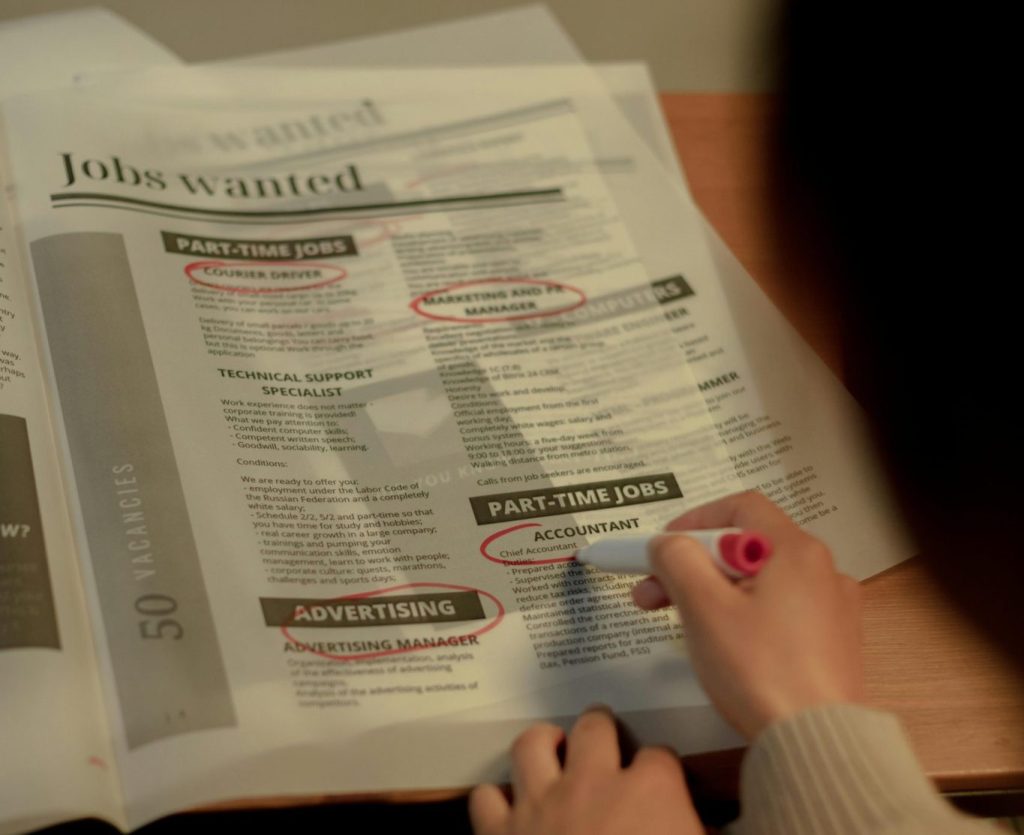
The current job market is an electrifying landscape—for better or for worse. It is shaped by rapid shifts in the economy, evolving workplace expectations, and hiring decisions that seem to change overnight. As we move through a volatile period, sparked by inflation pressures and widespread discussions about an upcoming recession, many industries are experiencing slowdowns, hiring freezes, and tightened budgets. At first glance, that can feel discouraging, especially for professionals actively searching for new roles or those who have recently entered the workforce.
However, challenging job markets also reveal something important: opportunity still exists—and in many cases, it becomes even more accessible to candidates who are prepared, strategic, and adaptable. When employers become more selective, they also become more focused on value. Companies may hire fewer people, but the professionals they do hire are often those who demonstrate not only skills, but also initiative, confidence, and the ability to solve real problems quickly.
This is why tough times are not simply a season of waiting—they are a season of preparation. History shows that industries rebound, hiring returns, and new roles emerge as companies restructure and refocus. Employers also take this time to re-evaluate hiring practices, become more intentional about talent acquisition, and strengthen their teams with professionals who bring flexibility and strong performance.
Even in recessions, several sectors continue to grow. Technology and healthcare are particularly resilient because they are tied to essential services, long-term demand, and constant innovation. Healthcare roles expand alongside population needs. Technology continues evolving because businesses still require systems, cybersecurity, data, and automation solutions—even when budgets shrink. Additionally, fields such as logistics, supply chain operations, compliance, education, and skilled trades often remain active as well.
This period of adjustment encourages innovation and creativity in the workforce. Many individuals use it as the moment to pivot into emerging fields or upgrade their qualifications, making themselves more competitive than ever. The job seekers who thrive in tough markets are rarely the ones who panic—they are the ones who refine their personal brand, strengthen their skill set, and build genuine professional relationships that lead to long-term career wins.
Upskilling, Reskilling, and Revamping Your Resume
Navigating the job market can feel overwhelming at any time, but economic uncertainty adds another layer of pressure. The key is to turn uncertainty into direction by focusing on what you can control—your skills, your job-search strategy, and the way you present yourself.
One essential tip that cannot be overstated is the importance of tailoring your resume and cover letter for each specific application. Candidates often underestimate how quickly hiring managers can recognize a generic resume. When a resume looks “mass produced,” it signals low effort. On the other hand, a resume that aligns with the role’s keywords, responsibilities, and required skills immediately makes a stronger impact.
A smart strategy is to highlight transferable skills—skills that apply across multiple roles and industries. Transferable skills are especially valuable when companies are selective because they want employees who can contribute in more than one way. For example:
- Effective communication (written, verbal, and client-facing)
- Team collaboration and leadership
- Problem-solving and process improvement
- Time management and organization
- Technical adaptability and comfort with new tools
These competencies matter because they demonstrate reliability and agility—two traits employers value heavily when they’re operating lean.
Beyond resume improvements, investing in upskilling or reskilling is one of the highest ROI moves you can make during slower hiring cycles. Employers want candidates who remain active and motivated. Even short certifications can boost credibility and show initiative.
Platforms like Coursera, LinkedIn Learning, Udemy, and Google Career Certificates offer accessible training in highly sought-after areas such as:
- Data analysis and reporting
- Digital marketing
- Project management
- Medical billing and administrative healthcare skills
- Cybersecurity fundamentals
Software tools like Excel, CRM platforms, or analytics dashboards
Think of it this way: when others pause, you advance. By building your skills during uncertain times, you position yourself ahead of the wave when hiring accelerates again.
The Power of Networking: Building Connections When Jobs Are Scarce
Networking during a recession is not just helpful—it can be the difference between staying stuck and finding a new opportunity. Many candidates believe they need to apply to hundreds of jobs to land one role. In reality, some of the best opportunities are never publicly posted. They are filled through referrals, recruiter networks, internal recommendations, and professional connections.
Networking allows you to tap into this “hidden job market” by building relationships with professionals who understand where the demand is shifting. It also provides access to real-world insights that job boards simply don’t offer, such as:
- Which organizations are quietly hiring
- What skills are being prioritized right now
- What salaries and benefits are trending
- How to position your background for best results
This is especially powerful when working with specialized recruiters like those at Radius Staffing Solutions. Recruiters are not gatekeepers—they are advocates. They understand the hiring landscape, know what employers are truly looking for, and can help you present yourself as the right fit for competitive roles.
At Radius Staffing Solutions, recruiters support candidates with more than job listings—they provide strategic guidance. That includes resume feedback, interview preparation, career direction, and access to opportunities that align with your strengths and goals.
The most successful job seekers treat networking like long-term relationship building. That means reaching out, staying visible, and being proactive. Connect with professionals on LinkedIn. Attend industry events (even virtual ones). Join professional groups. Follow companies you admire. Engage with content in your field. These small actions compound into real visibility over time.
Take Control of Your Job Search Today
Tough economic periods can feel uncertain, but they also sharpen the job market—and job seekers—into something stronger. With the right approach, you can use this time to elevate your professional brand, build skills that increase your value, and create connections that lead to career-defining opportunities.
If you want guidance, support, and access to career opportunities that align with your background, connect with a community that will be in your corner. Send Radius Staffing Solutions your updated resume today or apply directly to an open role and take the next step toward a future you can feel confident about.